

THE STORY OF HAIM SHALEV'S FAMILY. FROM UKRAINE TO ISRAEL AND BACK

Rededication ceremony speech in Derazhne, 17 October 2017
"Derazhne was an old village where a Jewish community lived from the early 17 century.
Referendums show that along different periods at least half of the Derazhne citizens were Jewish. There were 624 Jewish citizens in 1921.
Active Jewish life included a Hebrew school (Tarbut School, that worked from 1931 until September 1939), a communal library, synagogues and Zionist activities that began before WW1.
In the communal elections in 1928 Derazhne, Zlazne and few other small villages were joined to Kostopol district that is in Volyn. Derazhne was annexed to the Soviet Union in September 1939, then all the Jewish organizations and institutions were liquidated.
Derazhne was occupied by the Nazi on June 28, 1941. A ghetto was established in October 1941. Then on August 22, 1942, all 1868 Jewish people from Derazhne and neighbour villages were murdered. Derazhne was liberated by the Red Army on February 5, 1944.
DR. HAIM SHALEV ABOUT HIS ANCESTORS FROM DERAZHNE

Photo of Dr. Haim Shalev's grandfather with his wife and children.
Our family name is Gorodecer. My grandfather Haim and grandmother Sara got married in 1880 in Zlazne that is a small village near Derazhne and gave birth to 8 children (2 sons and 6 daughters). The 2 elder kids immigrated to the US in 1905. My grandfather Haim passed away before WW2 and the grandmother with 6 children and their families stayed in Zlazne.
My mother got married to Itzchak Shlifstein (who was born in Aleksandria near Rivne) in 1936.
Just before the Nazi occupation, my parents with a 4-year baby and my mother's 2 youngest sisters flee to Russia in 1941. The other Gorodecers, with their families, stayed in Zlazne, they were all murdered by the Nazis and local Ukrainian supporters (collaborationists).
We know that the Gorodecer family was in a good economic status, the family had a flour mill and an oil production plant near the river.
This family had a lot of relatives in Derazhne, here are some of their surnames: Gelman, Gorodecer, Oleinik, Shliefstein… Part of them survived and immigrated to Israel after WW2.
DR. HAIM SHALEV ABOUT DERAZHNE CEMETERY
For many years the cemetery was used by the Derazhne and Zlazne Jewish communities. After the destruction and vanishing of the local Jewish community during the Shoah, the cemetery was the only Jewish object left in Derazhne. It was neglected, abandoned and some parts of the gravestones were removed and used for different constructions in the village.
At her visit to Derazhne in 2012, Mrs Phyillis Grossman (she is from the US) discovered the existence of the cemetery in the woods, for the first time she listed it in the "Jewish Gen cemetery list". I want to thank Phyllis for her efforts in saving the cemetery since 2012.
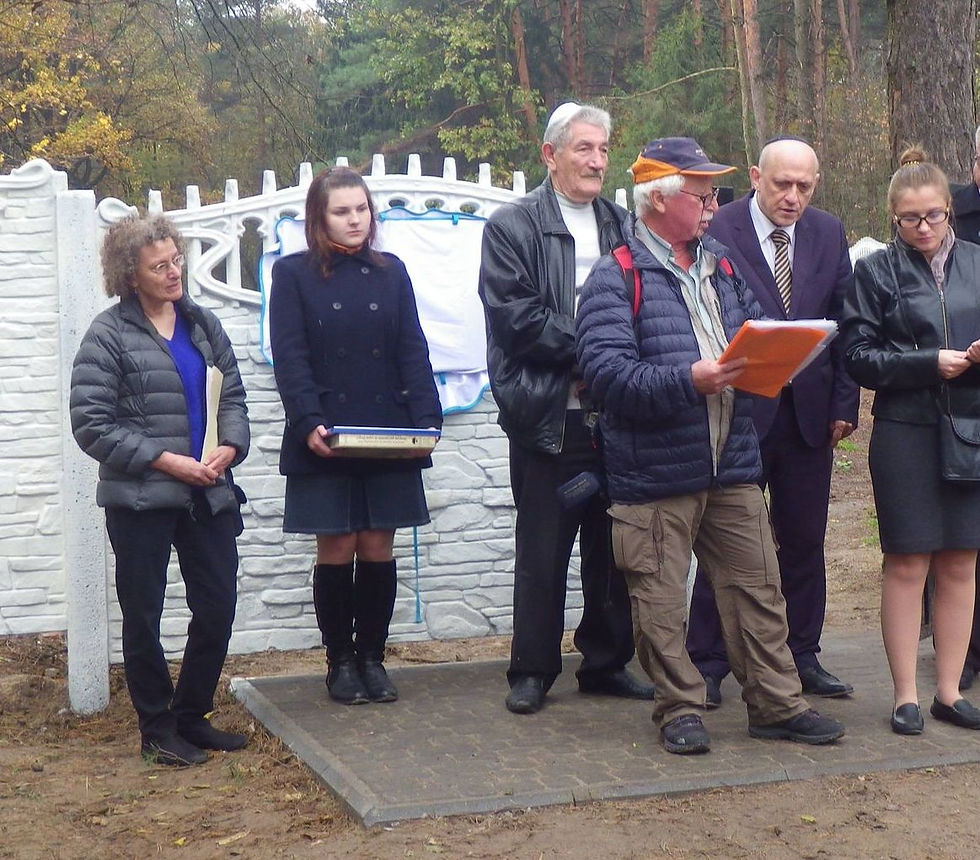
Katy Kryvko, a Derazhne high school student, in a meeting with the ESFJ organization staff after a photo exhibition, told them about the lost cemetery in the woods of Derazhne that needed to be saved. The ESJF organization took on the project shortly after.
We want to thank the ESJF organization staff for protecting and preserving lost Jewish cemeteries in Eastern Europe. Especially this one in Derazhne and also we are grateful for all educational programs they run in the high schools of Ukraine.
We appreciate Katy, her mother Tetiana and her teacher Liudmyla for their efforts in seeking out and returning the gravestones from parts of the village to the site. As well as studying what happened in the Derazhne community before and during WW2."
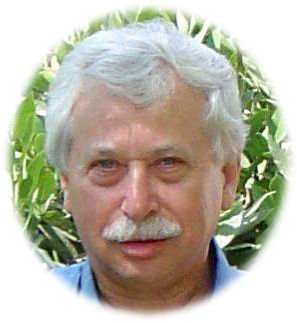
Dr. Haim Shalev – Tel Aviv, ISRAEL


Comments